
Eastern Mallorca: Caves, Castles and Hidden Coves
Mallorca’s east coast is the island of sharpest contrasts. Nowhere else packs so much into so few kilometres: 3,000-year-old stone villages and 1970s hotel blocks, an underground lake with musicians in boats, and coves you can only reach on foot through pine forest.
This guide walks the coast from the wild northeast down to the cave country of the south — the towns worth your time, the beaches that earn their crowds, and the honest truth about the resort strip in between.
Artà and the wild northeast
Artà
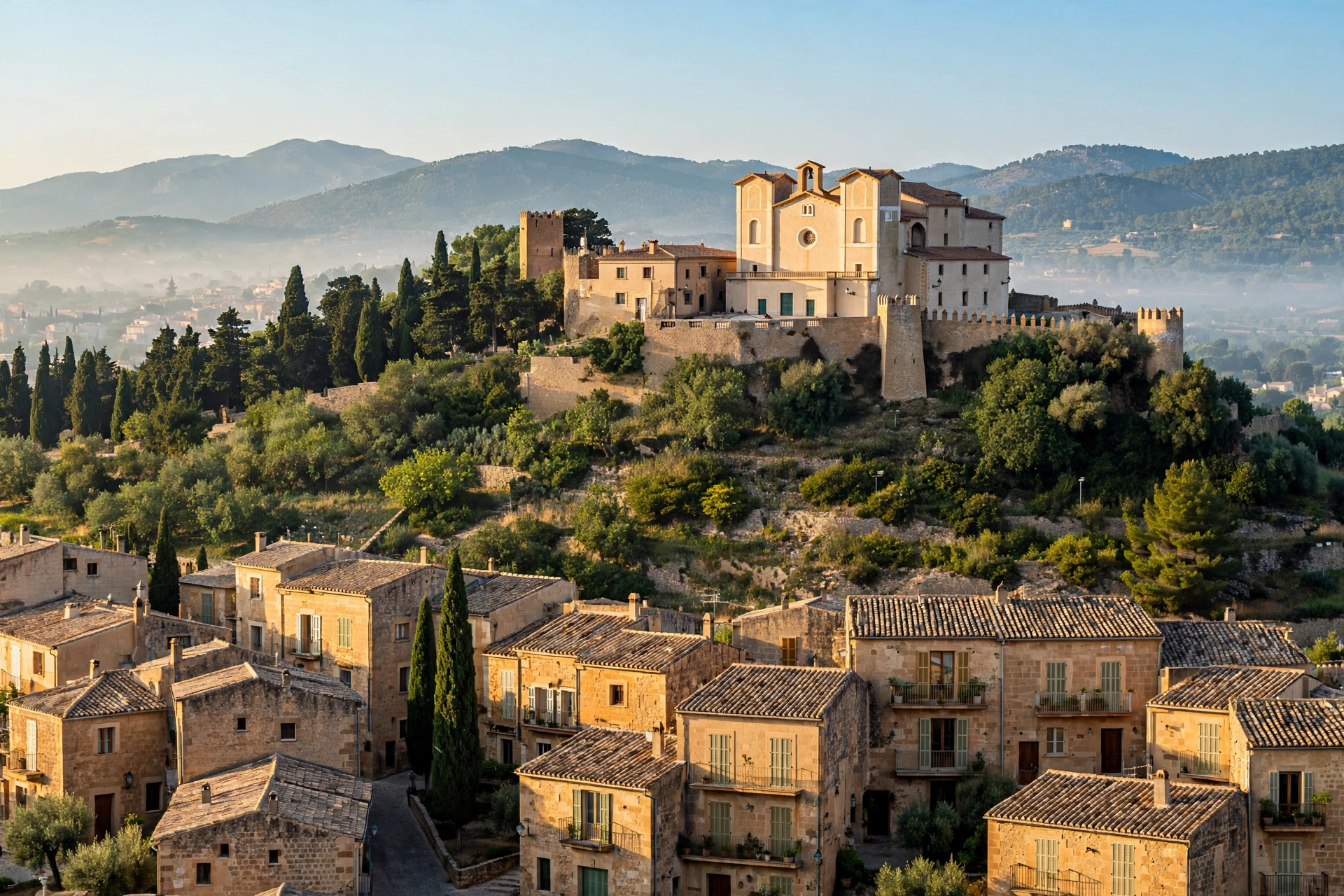
A market town that mass tourism forgot — in the best way. Narrow lanes, café-lined squares, and above it all the Santuari de Sant Salvador: a 14th-century walled sanctuary on the hilltop, reached by climbing 180 cypress-lined steps of the Via Crucis. From the ramparts the view runs from the town’s stone rooftops out to the humps of the Serra de Llevant. Time your visit for market morning.
Ses Païsses
Just outside town, the remains of a 3,000-year-old talayotic settlement — the largest prehistoric site on this side of the island. The defensive wall is built from blocks so massive that later cultures assumed only giants could have raised them. You can walk the whole site in under an hour; go early, before the heat.
Parc Natural de la Península de Llevant
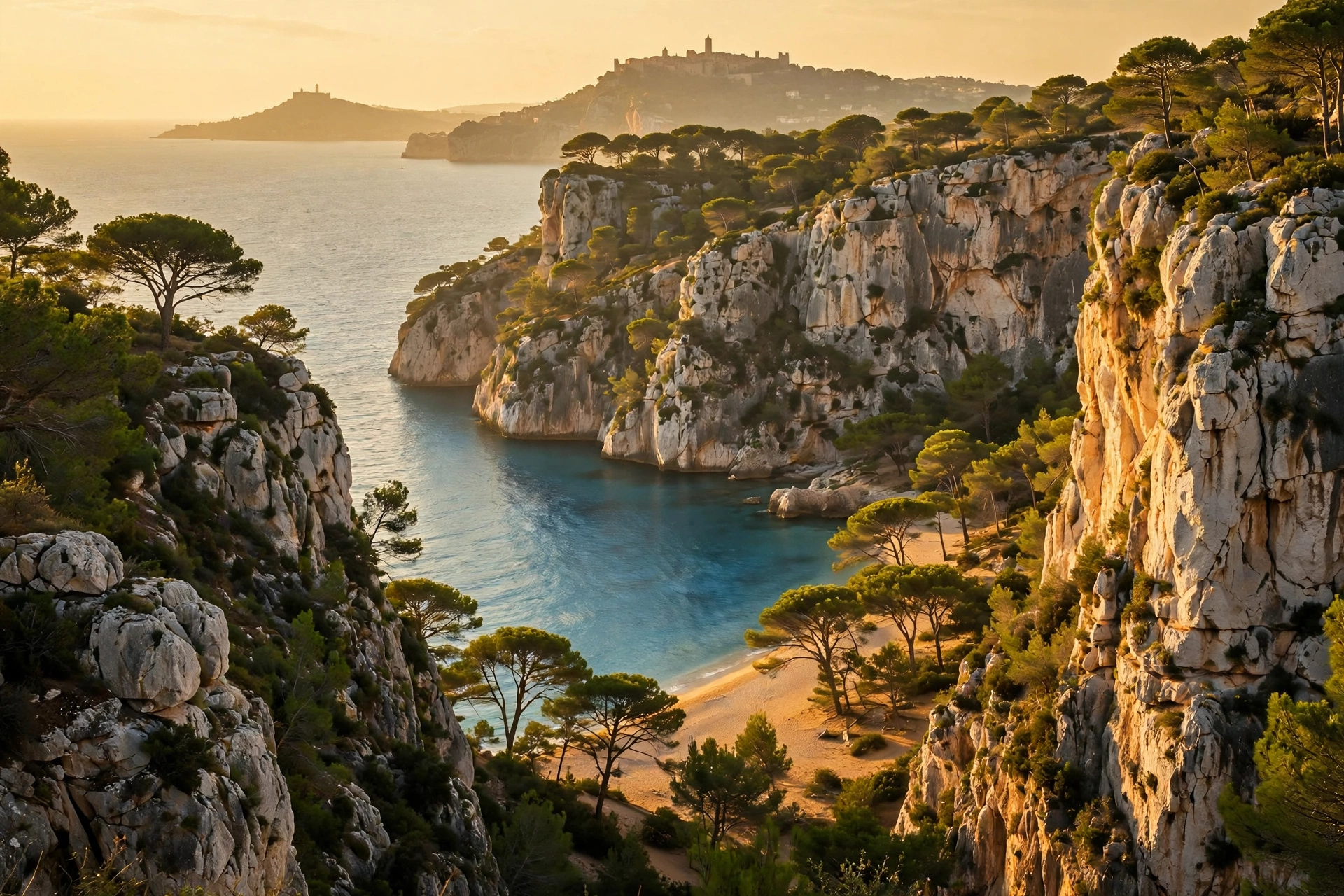
Artà’s wilder backyard: wooded hills falling to coves reachable only on foot, horseback, or boat. The coastal paths thread past Cala Estreta and Cala Matzoc toward the little beach at S’Arenalet des Verger. Bring water, wear proper shoes, and expect no beach bar at the end — that’s rather the point.
Capdepera and Cala Ratjada
Castell de Capdepera
Eight kilometres east of Artà, the workaday village of Capdepera is crowned by a 14th-century walled castle, raised on Moorish foundations under Jaume II as a fortified refuge. Inside the walls you’ll find a plain stone church with a 14th-century wooden crucifix and the older Torre Miquel Nunis watchtower. The town below is refreshingly unpolished — come for the castle, stay for a coffee in the shade.
Cala Ratjada
The northeast’s main resort: a working fishing harbour wrapped in a holiday town. The town beach at Son Moll is the busy one — walk north instead to Cala Agulla, a pine-fringed bay of turquoise water that justifies its crowds, or further to the quieter Ses Covasses. Divers come for the underwater caves offshore, and a marked coastal trail runs from Cala Agulla through the pines to Cala Mesquida.
Cala Mesquida and the wild coves
North of Cala Ratjada the development simply stops. Cala Mesquida’s dune-backed beach is the accessible one; beyond it, Cala Torta, Cala Mitjana and Cala Matzoc wait at the end of rough tracks and coastal footpaths. These are the coves we featured in our hidden beaches guide — go early, bring everything, and tell someone where you’re headed.
Canyamel and the caves
Coves d’Artà
A vast cave system in the cliffs near Canyamel — soaring chambers, stalactites by the thousand, and theatrical lighting. Guided tours run in several languages and pass the 22-metre “Queen of Columns”. One practical note: the entrance is down a steep flight of stone steps, so there is no disabled access.
Canyamel
A small, civilised resort below the caves: one good beach, a clutch of hotels, and the square Torre de Canyamel, a defence tower of Muslim origin. The kind of place people quietly return to.
The resort coast: Cala Millor to S’Illot
Cala Millor
Let’s be honest: Cala Millor is a purpose-built resort — apartment blocks, buffet restaurants, and a two-kilometre sweep of sand with a genuinely fine promenade. It does exactly what it promises. Use it as a base rather than a destination: the headland walk to the Castell de n’Amer starts here, and the whole east coast is within easy reach.
Sa Coma and S’Illot
South of Cala Millor the resorts blur together — Sa Coma, S’Illot, Cala Moreia. If your hotel is here, you’re here for the pool and the beach, and there’s no shame in that. The excursion that justifies the location lies inland or up the coast, not along it.
Cala Bona
Where the sprawl finally gives out: a former fishing village that kept a few of its boats and its harbour-side restaurants. There is no natural beach — the little coves are imported sand — but it’s a pleasant evening stroll and dinner spot.
Porto Cristo and the Drach caves
Porto Cristo
A town that empties of day-trippers by evening — which is precisely its charm. This was Manacor’s medieval port, and the calm natural harbour still shapes the place: fishing boats, a Sunday morning market on the seafront, terrace cafés. See the caves by day, stay for dinner after the crowds leave.
Coves del Drac
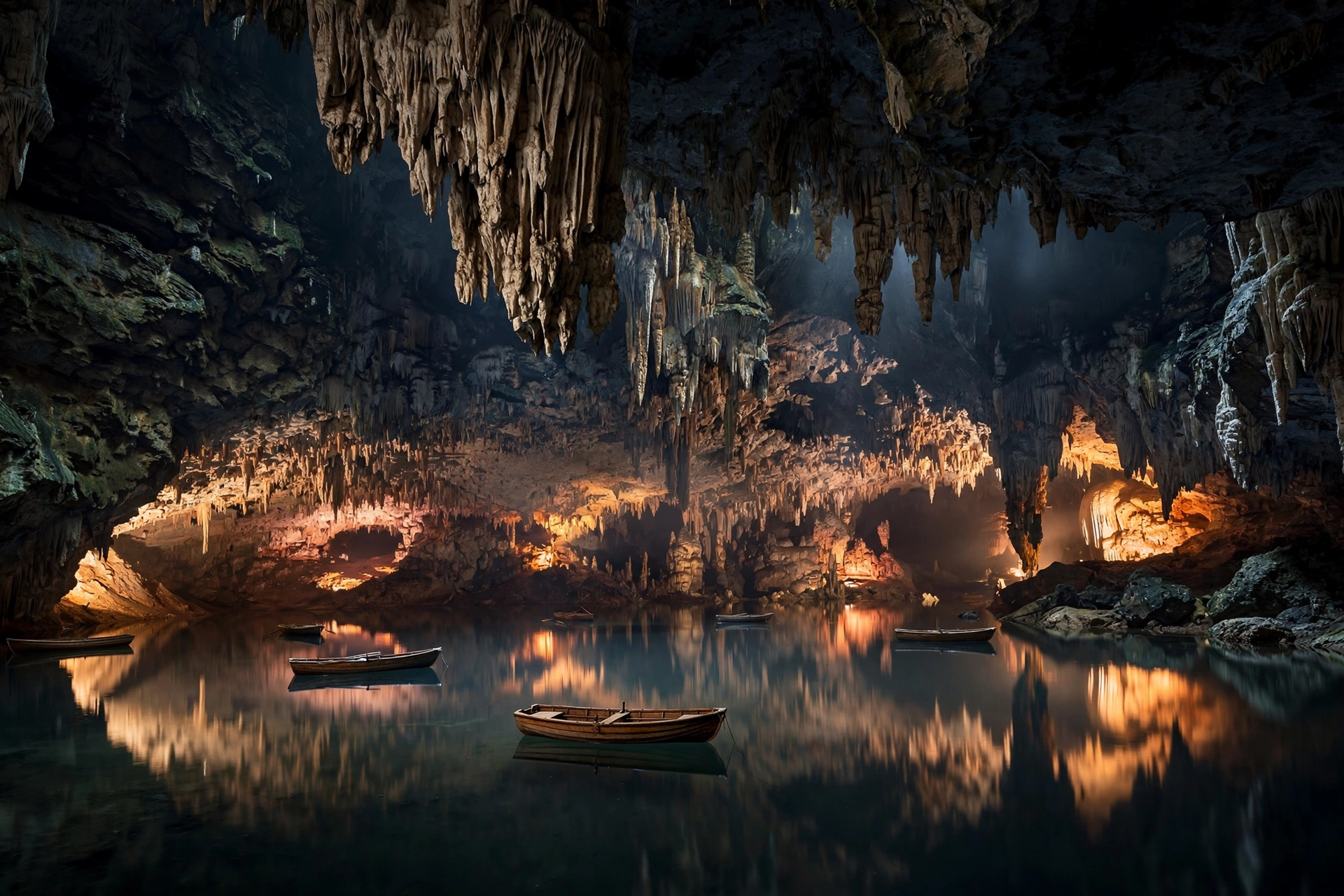
Mallorca’s most famous underground world, mapped in 1896 by the French speleologist Édouard Martel. Four great chambers of stalactites and stone columns, the subterranean Lake Martel — crossed by boat while musicians play from the water — and the odd, lovely detail that drac means dragon. Tours run roughly hourly; in summer, arrive early, because the queues are real.
Coves dels Hams
A short drive from the Drach, the smaller, quieter sister caves. If the big-cave queues put you off, this is the calmer alternative — same underworld, fewer people.
South of Porto Cristo
Cala Romàntica
The most developed of the southern coves, and the most serene of the resorts — a pocket-sized place with a promenade carved out of the rock face. A good base if you want the coves without the machinery of the big resorts.
Cala Varques and the walking coves
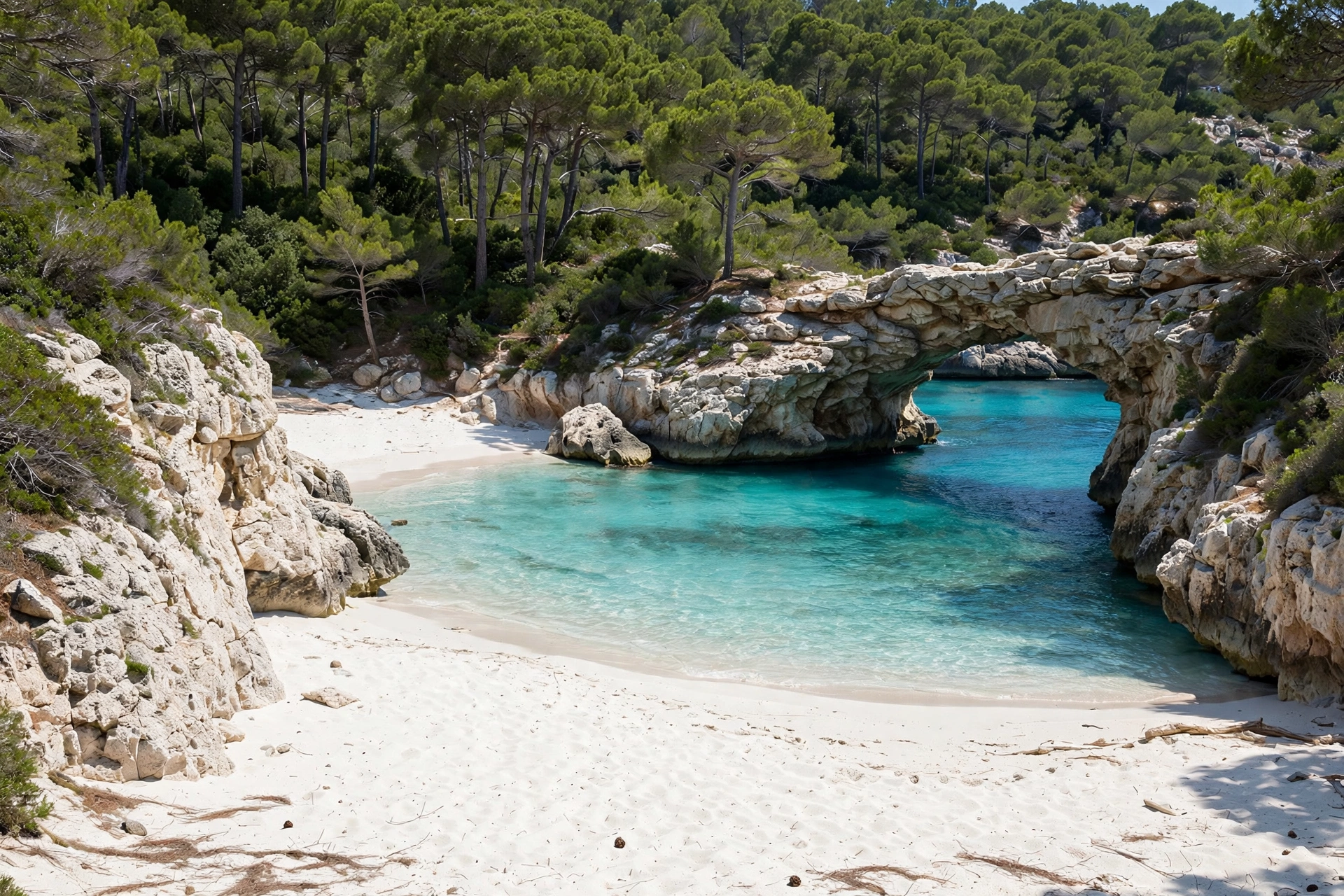
South of Porto Cristo the coast turns wild again: Cala Varques with its cliff-top cave complex, then Cala Sequer and Cala Magraner — none with road access. The coastal walk from Cales de Mallorca to Cala Romàntica threads several of them together past Cala Bota. This is expedition territory: water, proper shoes, early start.
Practical notes
- Getting there: Palma airport to the east coast is about an hour by car. Buses connect Palma with Artà, Cala Ratjada, Cala Millor and Porto Cristo, but frequencies thin out off-season — check the Tib network before relying on them.
- Getting around: a car earns its keep here — the wild coves, the Llevant park and the castle villages are all awkward without one. Our getting-around guide covers the options honestly.
- Best bases: Artà for character and the northeast; Cala Ratjada for beaches with a town attached; Porto Cristo for the caves and quiet evenings; Cala Millor if the full resort setup is what you want.
- When to go: May, June and September are the sweet spots — warm sea, walkable hills, sane crowds. August is peak everything: book cave visits ahead and bring parking patience.
The east coast rewards the curious: look past the first row of hotels and there’s a 3,000-year-old island underneath. For the coves that need your legs, see our hidden beaches guide — and for one thoughtful email a month, join The Mallorca Insider. No spam, ever.