
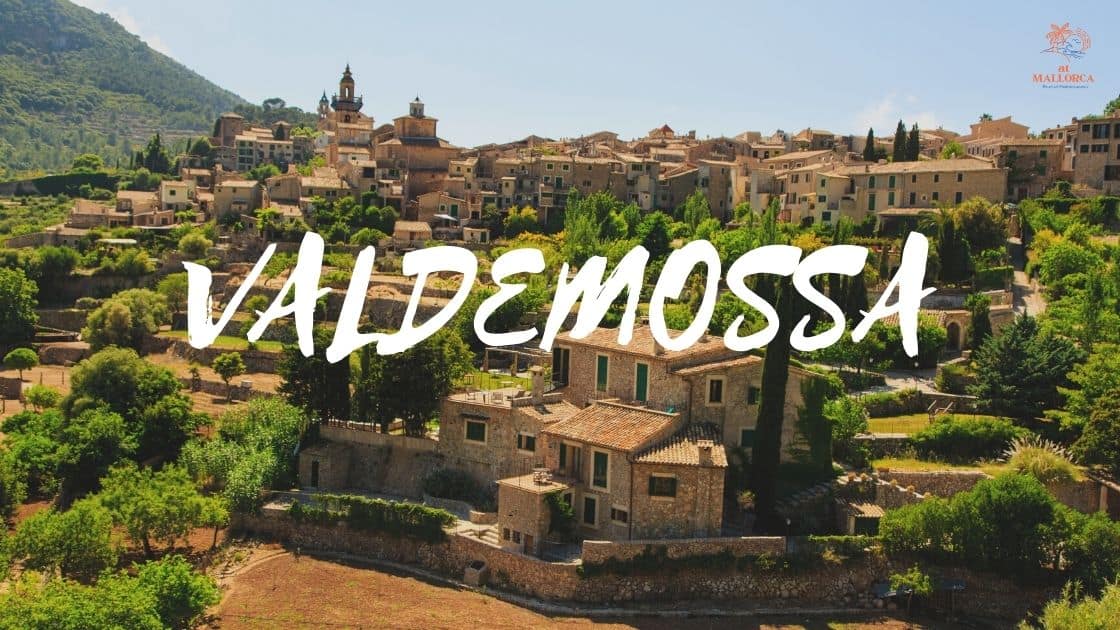
Valldemossa
The ancient hill-town of Valldemossa is best approached from the south. Here, with the mountains closing in, the road squeezes through a narrow, woody defi before entering a beautiful valley, whose tiered and terraced elders rise to town, a slope of rusticated structures and monastic buildings surrounded by mountains.
Valldemossa’s beginnings trace back to the beginning of the fourteenth century when the asthmatic King Sancho erected a royal palace here in the hills. The easier air for a palace is provided for the Tarrasque Carthusian monks who transformed and extended the originals into a monastery.
The monastery has always dominated Valldemossa, but the rest of the town is charming, with a maze of narrow cobblestone alleyways winding down the hillside.
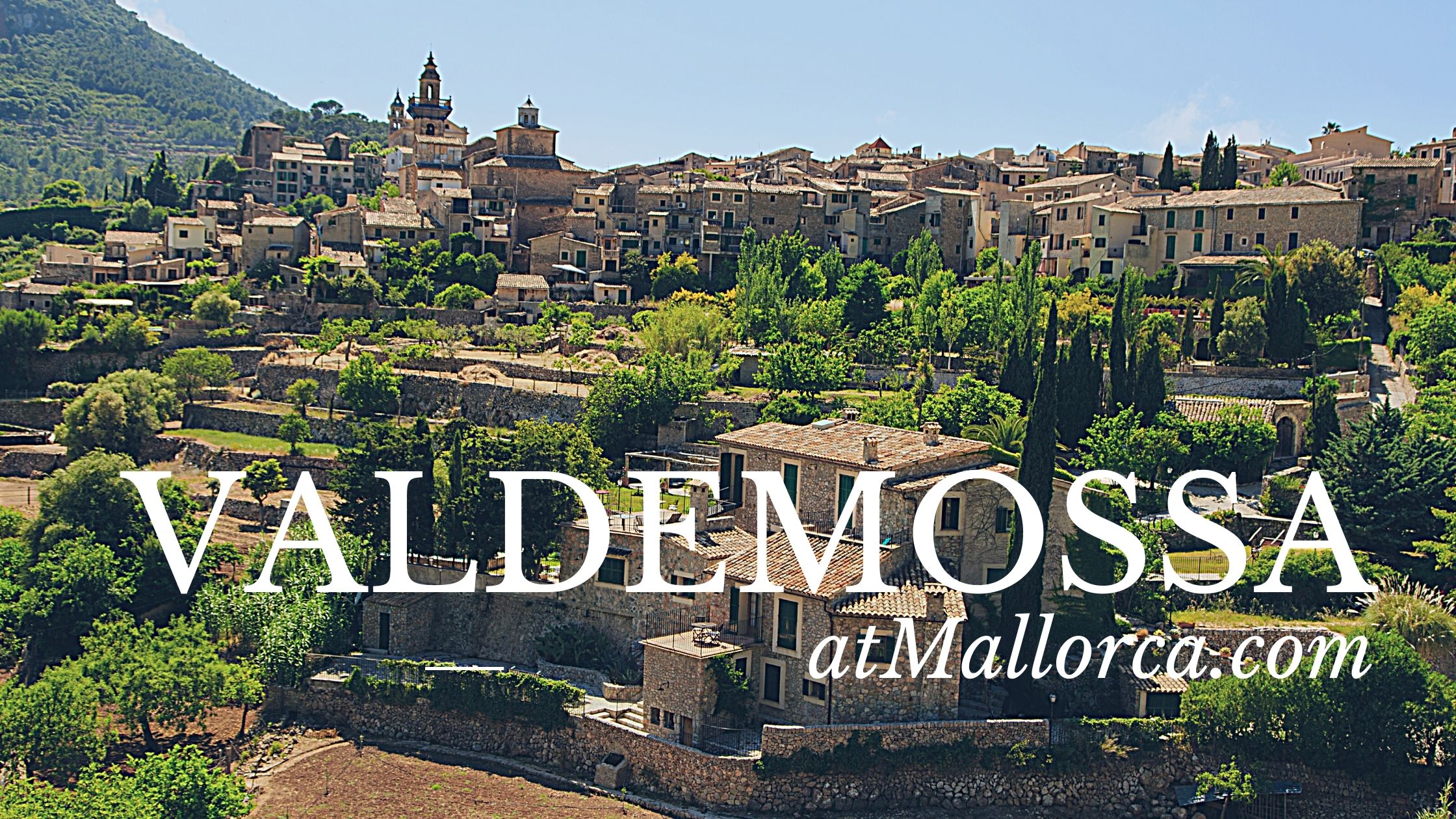
It takes only a few minutes to visit it, with two particular sites: the towering Gothic bulk of the Church of Sant Bartomeu and the humble birthplace of Santa Catalina Thomàs, a nun from the 16th century famed for her piety, in a short alley. The house’s inside has become a tiny, bare sanctuary with a Saint’s statue cradling a little bird.
The village is lined with shops, boutiques, and plenty of places to dine and drink, so almost any tourist’s shopping needs may be filled there. Valldemossa’s famed Cocas de Potatas can be found in every bakery.
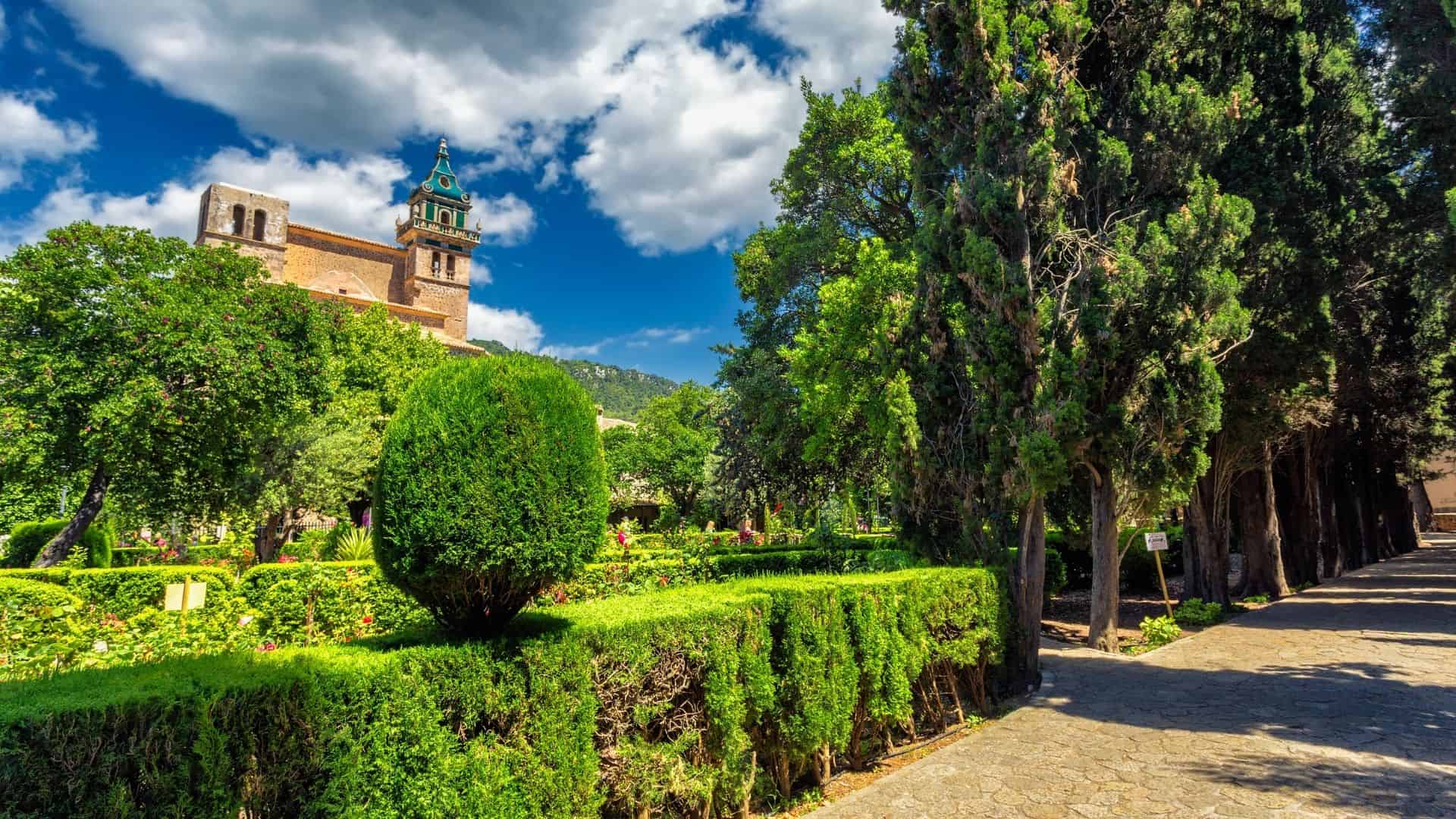

The Poland musician Frédéric Chopin and his lover George Sand went to the monastery for a rough winter (1838–39), ultimately commemorated in Sand’s book A Winter in Mallorca. Sand described local people as ‘barbarians’ and denounced Mallorca as ‘Monkey Island.’