Deià
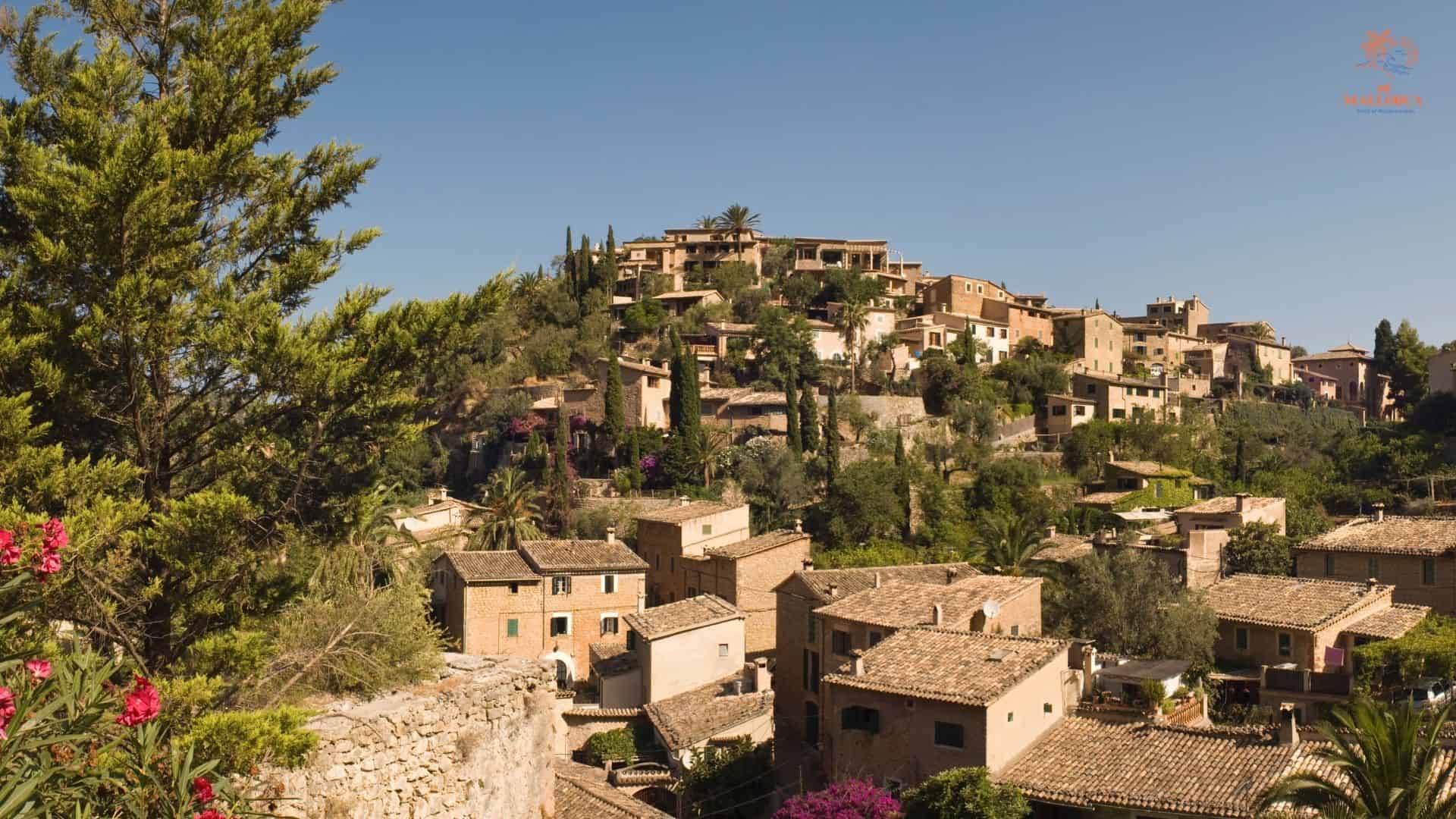
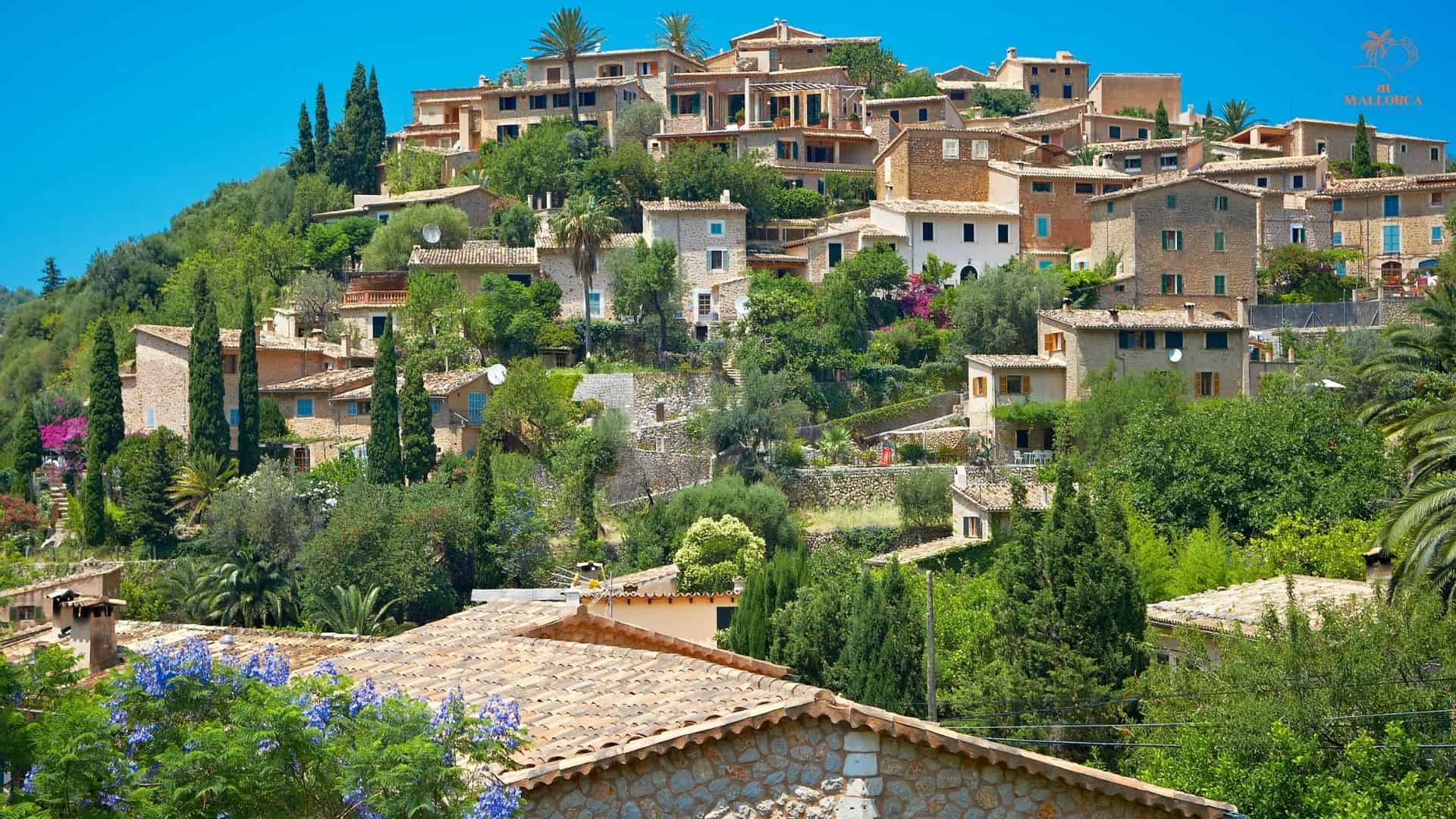
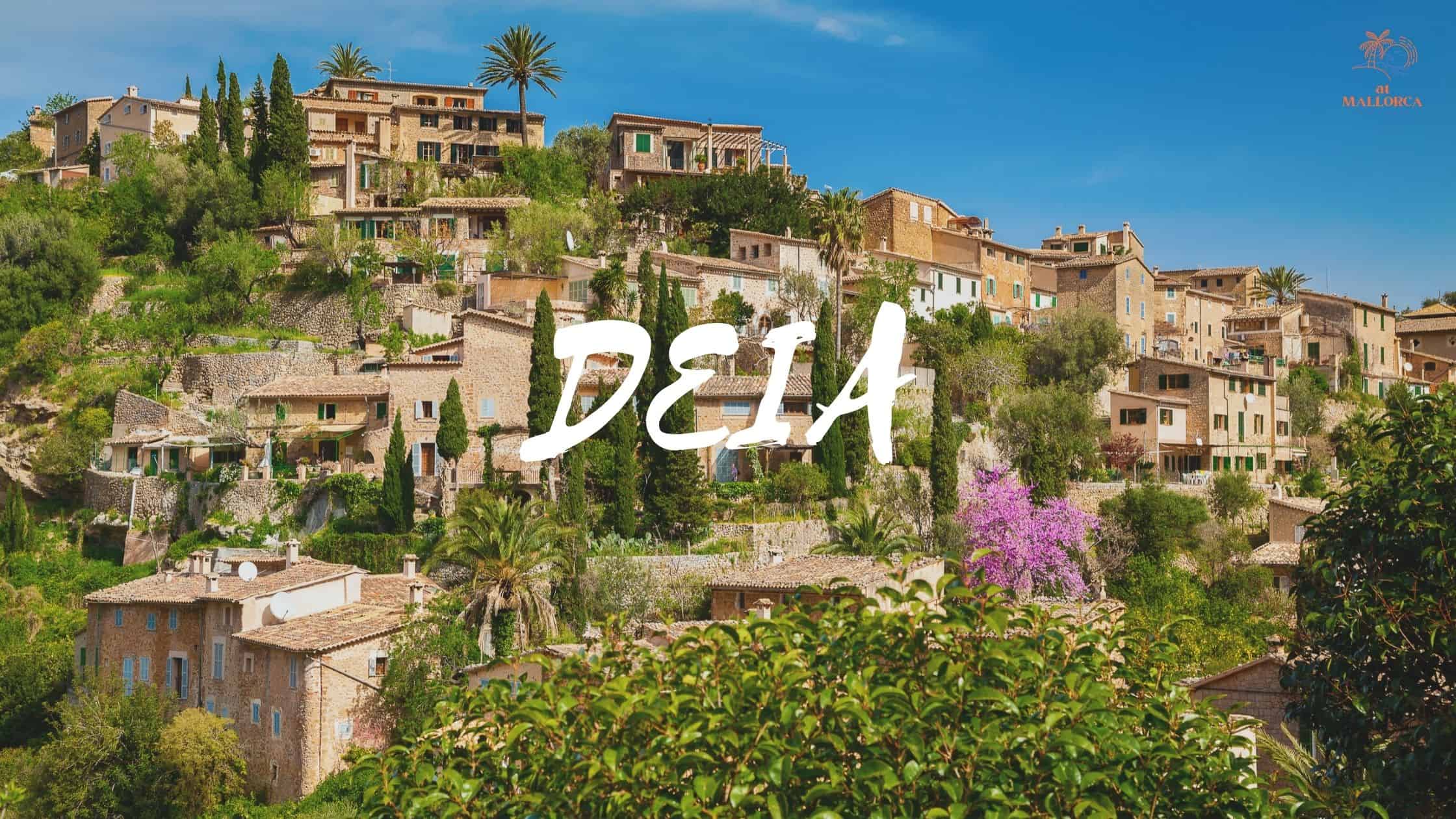
Deià is the type of place that makes you gasp. The startling beauty of the shoreline against the rough mountains is that uncommon combining is only seen in a few spots, and one which is once seen is soon not forgotten. But it is the people that make it a genuinely distinctive location. Artists have come to the hamlet since the 1800s, but it began to form around the close of World War I when expatriates filled cafés and beaches with an original cache. Today it is home to rock n’roll royalty as well as ordinary folks. There are so many inconsistencies in such a tiny space. For a little of that, there’s no place like Deià!
History
Deià has been inhabited since Prehistory, and its position, springs, and soil make it an appealing place to live. During the Middle Ages, the Arabs called the town “Ad daia,” a forerunner to the current name. The Moors were crucial in devising solutions to the village’s tough topography of steep slopes. They were the ones who first used terraced farming as a way of choice, creating fruitful land out of previously useless terrain. Deià became an extension of Valldemossa in the 13th century, but acquired independence in 1583, ushering in an era of expansion in which even the tiniest plot of land on the mountainsides was utilized to cultivate olives. This has left a legacy that is still felt today.
Deià has been home to numerous artists and musicians throughout the 1800s, notably after World War I, lending the hamlet a bohemian flavour. Deià developed a reputation as a “artists’ colony” with the English writer Robert Graves entrance in the early 1930s and the flock of friends and muses who followed in his wake, and it still maintains a vibrant creative culture to this day.
Deià’s new phase was ushered in by modern tourism. Visitors began to arrive in the region around the end of the nineteenth century, initially enticed by the beauty of the place and the fact that it was a low-cost destination.
“The Majorcan countryside is not at all a place to go in search of inspiration; but admirable for people whose minds already teem with ideas that need recording in absolute quiet. …” – Robert Graves
Must See
The Robert Graves Museum (La Casa de Robert Graves) is a must-see for literature aficionados. The poet and author resided in Deià from 1929 until his death in 1985, and his home has been meticulously conserved.
A visit to the Deià Archaeological Museum and Research Centre is highly recommended. The facility housed in a former 17th-century windmill is as gorgeous as the contents are intriguing.
Finally, if you take the time to climb to the chapel of San Juan Bautista, the hike is worthwhile. The cemetery is almost as well-known as the church, and it is the ultimate resting place for many of its notable residents, including Robert Graves. The church is home to a museum that displays art and religious materials.
This magnificent village is a World Heritage Site by UNESCO. If you want for beauty and elegance with a great bohemian dash, Deià is your location!